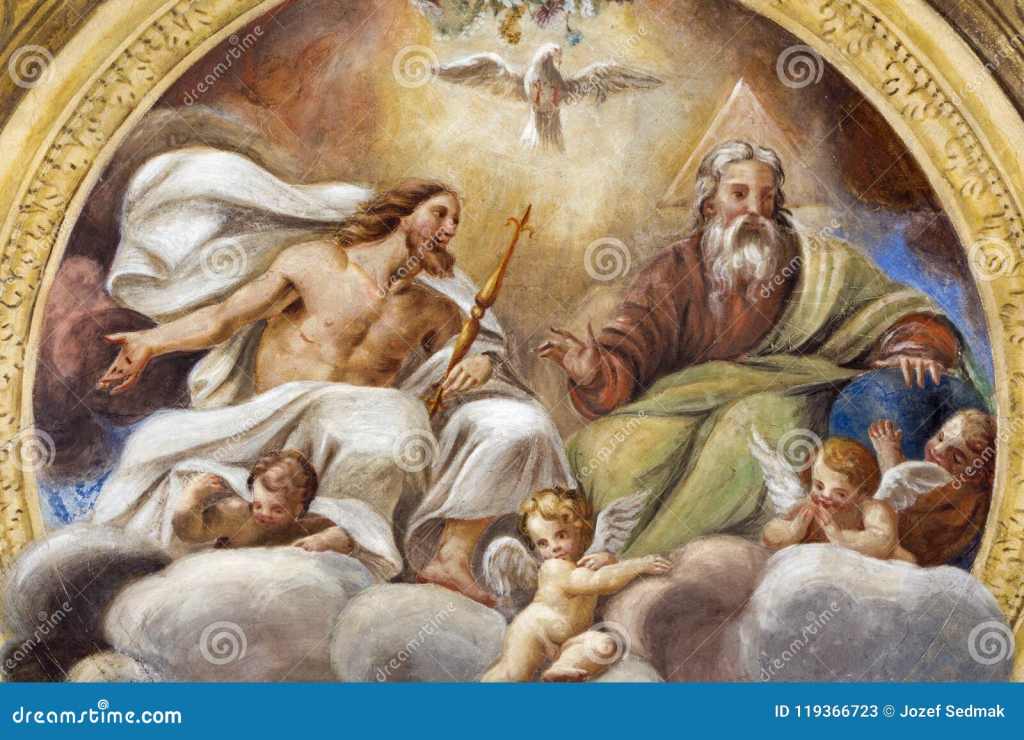
Introduction
In the Christian faith, one of the foundational beliefs that sets Christianity apart is the doctrine of the Holy Trinity. Understanding and embracing this concept is essential for every believer who seeks to deepen their relationship with God. The Holy Trinity refers to the belief in one God who exists in three distinct persons: God the Father, Jesus Christ the Son, and the Holy Spirit.
As Christians, we affirm that God is not only a solitary being but a relational God—existing eternally as Father, Son, and Spirit in perfect unity and love. This doctrine may seem complex and mysterious, but through Scripture and prayerful reflection, we can begin to grasp glimpses of this profound truth.
Throughout this e-book, we will explore each person of the Trinity—God the Father, Jesus Christ the Son, and the Holy Spirit—in depth. We will delve into their unique roles and relationships within the Triune Godhead and discover how our understanding of them shapes our faith and daily walk with Christ.
May this journey into the mystery of the Holy Trinity deepen your love for God and inspire you to live in light of His triune nature.
Chapter 1: God the Father
In the Scriptures, we encounter God depicted as a loving and caring Father who created the heavens and the earth, formed humanity in His image, and continues to sustain all things by His power. The title of “Father” used to describe God reveals His intimate relationship with His creation—a relationship characterized by love, provision, guidance, and discipline.
Throughout the Old Testament, we see glimpses of God’s fatherly nature in His interactions with His people. In Deuteronomy 32:6, it is written: “Is He not your Father, your Creator? He made you and formed you.” This verse highlights God’s role as the ultimate source of our existence—a loving Father who shapes us according to His will.
Furthermore, in Psalm 103:13, we read that “As a father has compassion on his children, so the Lord has compassion on those who fear Him.” This comparison between a human father’s compassion and God’s divine compassion underscores the depth of His love for us as His children.
God’s fatherly nature is also revealed through Jesus Christ, who taught His disciples to address God in prayer as “Our Father in heaven” (Matthew 6:9). Through Christ’s sacrificial death on the cross, we have been adopted into God’s family and can now call Him our Abba Father—signifying an intimate and personal relationship with Him.
As believers, we can find comfort and security knowing that we have a Heavenly Father who knows us intimately, cares for us deeply, and provides for our every need. Let us approach God with reverence and gratitude for His paternal love that sustains us each day.
Chapter 2: Jesus Christ, the Son
Central to the doctrine of the Holy Trinity is the person of Jesus Christ, the Son of God. In John 1:14, we read, “The Word became flesh and made His dwelling among us.” This verse encapsulates the profound mystery of the Incarnation—God taking on human form in the person of Jesus Christ.
Throughout His earthly ministry, Jesus revealed Himself as the unique Son of God, distinct from God the Father yet united with Him in purpose and essence. In Matthew 16:16, Peter confessed Jesus as “the Christ, the Son of the living God,” affirming His divine nature and identity.
Jesus’ life, teachings, miracles, death on the cross, and resurrection all point to His role as both fully God and fully human—the bridge between humanity and divinity. Through His sacrificial death on Calvary’s cross, Jesus atoned for our sins and reconciled us to God, demonstrating God’s unfathomable love for us.
As believers in Christ, we are called to emulate His example of humility, compassion, and selflessness. Just as Jesus submitted to the will of the Father in obedience and love, so too are we called to submit our lives to Him and follow His teachings.
In John 14:6, Jesus declared, “I am the way and the truth and the life. No one comes to the Father except through me.” This statement underscores the exclusive role of Jesus as our mediator before God—our Savior who intercedes on our behalf and grants us access to a relationship with God.
May our understanding of Jesus Christ as the Son deepen our appreciation for His redemptive work on our behalf and inspire us to walk in His footsteps daily.
Chapter 3: The Holy Spirit
The third person of the Holy Trinity, the Holy Spirit, plays a vital role in the life of every believer. In John 14:16-17, Jesus promised to send the Holy Spirit as a Helper and Comforter to guide His disciples: “And I will ask the Father, and He will give you another Helper to be with you forever—the Spirit of truth.”
The Holy Spirit is not merely an impersonal force but a divine person who dwells within believers, empowering them for service and sanctifying them for God’s glory. Through the work of the Holy Spirit, we are convicted of sin, led into all truth, and equipped with spiritual gifts to fulfill our God-given purpose.
In Galatians 5:22-23, we find a description of the fruit of the Spirit: “But the fruit of the Spirit is love, joy, peace, forbearance, kindness, goodness, faithfulness, gentleness and self-control.” These qualities reflect the transformative work of the Holy Spirit in our lives as He produces Christ-like character within us.
As Christians, we are called to cultivate a vibrant relationship with the Holy Spirit through prayer, worship, and obedience to His promptings. By surrendering our will to His guidance and allowing Him to work in and through us, we can experience greater intimacy with God and bear abundant fruit for His kingdom.
Let us not quench or grieve the Holy Spirit but rather yield to His leading and cooperate with Him in fulfilling God’s purposes on earth. May we rely on His strength and wisdom each day as we seek to live out our faith in alignment with God’s will.
Chapter 4: The Triune God in Scripture
Throughout the pages of the Bible, we find evidence of the triune nature of God—the Father, Son, and Holy Spirit—working together in perfect unity and harmony. While the word “Trinity” is not explicitly mentioned in Scripture, the concept is woven throughout both the Old and New Testaments.
In Genesis 1:26, we read, “Then God said, ‘Let us make mankind in our image, in our likeness.'” This plural pronoun “us” hints at the plurality within the Godhead—indicating a communal aspect to God’s nature that transcends singular identity.
Similarly, at Jesus’ baptism in Matthew 3:16-17, we witness a glimpse of all three persons of the Trinity present and active: “As soon as Jesus was baptized, He went up out of the water. At that moment heaven was opened, and He saw the Spirit of God descending like a dove and alighting on Him. And a voice from heaven said, ‘This is my Son, whom I love; with Him I am well pleased.'”
In the Great Commission given by Jesus in Matthew 28:19-20, He instructs His disciples to baptize new believers “in the name of the Father and of the Son and of the Holy Spirit.” This triadic formula underscores the equal importance and co-equal nature of each person within the Trinity.
As we study Scripture with an open heart and mind, we can begin to discern patterns and revelations that point to God’s triune nature. While our finite minds may struggle to fully comprehend this divine mystery, our faith enables us to embrace it with awe and reverence.
May our exploration of Scripture deepen our understanding and appreciation for the Triune God revealed through His inspired Word.
Chapter 5: Exploring Trinitarian Doctrine
The doctrine of the Trinity has been a foundational belief in Christianity since its early beginnings, shaping the way believers understand and worship God as Father, Son, and Holy Spirit. While the word “Trinity” may not be found in the Bible, the triune nature of God is evident through various passages that reveal His three-fold identity.
The development of the doctrine of the Trinity was influenced by biblical teachings, theological reflections, and debates within the early Church. Early Church Fathers such as Tertullian and Athanasius played crucial roles in formulating precise language to articulate this mysterious yet essential belief.
One common misconception about the Trinity is that it implies belief in three separate gods. However, Christians affirm that there is only one God who exists eternally in three distinct persons—each fully God yet distinct in role and relationship.
Explaining and defending belief in the Trinity can be challenging due to its complex nature, but it is crucial for deepening our understanding of God’s multifaceted character. As followers of Christ, we are called to embrace this mystery with humility and faith, trusting in the revelation of Scripture and the guidance of the Holy Spirit.
In sharing our faith with others, we can approach discussions about the Trinity with love, patience, and a willingness to listen. While it may be difficult for some to comprehend intellectually, faith enables us to accept this sacred truth with awe and wonder.
May our study of trinitarian doctrine lead us to a deeper appreciation for the unity and diversity within God’s being—an invitation to partake in His divine fellowship as His beloved children.
Conclusion: Living in Light of the Trinity
As we conclude our exploration of the Holy Trinity, we are reminded of the profound implications this doctrine holds for our faith and daily lives. The Triune God—Father, Son, and Holy Spirit—invites us into a relationship marked by love, grace, and unity.
Living in light of the Trinity means recognizing the interconnectedness of each person within the Godhead and embracing their distinct roles in our spiritual journey. We are called to commune with God the Father in reverent awe, follow Jesus Christ the Son in faithful obedience, and yield to the Holy Spirit’s guidance with humility and receptivity.
The triune nature of God invites us into a community of believers bound together by a shared faith in one God revealed in three persons. Just as Father, Son, and Spirit exist in perfect harmony and mutual love, so too are we called to love one another as members of Christ’s body on earth.
In our relationships with others, may we reflect the unity and diversity found within the Triune God by extending grace, compassion, and forgiveness. By living out the principles of love and reconciliation modeled by God Himself, we bear witness to His transformative power at work within us.
Let us walk confidently in the truth of God’s triune nature, trusting that He is ever-present in our lives, guiding us along paths of righteousness and peace. May we find comfort in His abiding presence and strength in His unchanging character as we navigate life’s joys and challenges.
May our hearts be attuned to the rhythms of divine love emanating from Father, Son, and Spirit—a sacred dance inviting us to join in eternal fellowship with our Triune Creator.
By: Heiko Thiede, Pastor & Evangelist.
 FisherOfMen'sMinistry2021